In an age where info is readily offered, understanding how to carry out CPR can be the distinction between life and fatality. Especially for parents, knowing infant CPR techniques transforms from a mere ability into an essential lifesaving device. The statistics are worrying; heart-related problems can emerge all of a sudden, and infants are not excluded from this truth. This thorough overview aims to empower you with understanding about Mastering Infant mouth-to-mouth resuscitation Techniques: A Parent's Overview to Safety, guaranteeing you're prepared for emergencies.
Understanding the Significance of CPR in Infants
What is CPR?
Cardiopulmonary resuscitation (CPR) is a critical emergency treatment that helps keep blood circulation and oxygenation to the brain and crucial body Helpful hints organs when a person's breathing or heart beat has actually stopped. For babies, this technique comes to be much more specialized because of their distinct physical characteristics.
Why is Baby mouth-to-mouth resuscitation Different?
Infants have smaller sized respiratory tracts, softer ribs, and fragile bodies compared to grownups. Hence, the approaches of using CPR differ cpr training classes near me considerably. Understanding these distinctions can save lives fast express cpr certification classes and guarantee your infant receives the treatment they need during an emergency.
The Stats Behind CPR
According to research study, immediate intervention with CPR can double or even three-way survival rates in situations of cardiac arrest. These stats highlight why recognizing how to do efficient baby mouth-to-mouth resuscitation is crucial for every parent.
Essential Training in Baby CPR
Enrolling in Local mouth-to-mouth resuscitation Classes
Before diving right into details techniques, enrolling in neighborhood mouth-to-mouth resuscitation classes is extremely suggested. Many areas provide training courses specifically targeting infant and youngster resuscitation. Taking part in these classes reinforces your self-confidence and guarantees you're geared up with the current methodologies.
Online CPR Certification
For those who may have a hard time to participate in typical classes, numerous on the internet platforms provide mouth-to-mouth resuscitation certification courses customized for babies. Online certifications frequently cover critical subjects such as cpr saving lives, proper compression deepness, and using an AED (Automated External Defibrillator).
Understanding Accreditation Validity
The CPR certification validity generally varies from a couple of years depending upon the organization using it. Consistently renewing your qualification makes certain that you stay updated with the latest guidelines and techniques.
Mastering Infant CPR Techniques: A Moms and dad's Overview to Safety
Recognizing Emergency situations: When Ought To You Perform Infant CPR?
Every parent need to be trained to identify situations where infant resuscitation might be essential:
- Unresponsiveness: If your infant does not react when you carefully tap or tremble them. Breathing Problems: If they are gasping or otherwise breathing at all. Choking: If a foreign things obstructs their airway.
In any of these cases, instant activity is required.
The Step-by-Step Overview to Doing Baby CPR
Call Emergency Services: Constantly begin by requiring help. Positioning:- Lay your infant on a firm surface. Ensure they are face up.
- Look for breast movement. Listen for breath sounds.
- Place two fingers on the breastbone just listed below the nipple area line. Push down hard and fast (at the very least 1.5 inches deep). Aim for 30 compressions at a rate of 100-120 per minute.
- After 30 compressions, give 2 gentle breaths by covering their mouth and nose with your mouth. Make certain you see their upper body rise.
Common Errors Throughout Infant CPR
Incorrect Compression Depth
One usual error is utilizing incorrect compression depth during upper body compressions-- pressing also superficial will not flow blood efficiently while pushing unfathomable can trigger injuries.
Misjudging Rescue Breath Technique
Parents in some cases blow too vigorously instead of delivering gentle breaths, which can result in over-inflation of the lungs.
Supplementary Strategies for Details Situations
How to Use an AED Properly
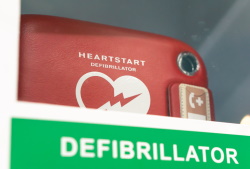
Knowing how to use an AED (Automated External Defibrillator) can match your skills in performing infant mouth-to-mouth resuscitation:
Turn on the AED device. Attach pads as advised (make sure one pad takes place the front while an additional takes place the back). Follow voice prompts until emergency personnel arrive.Dealing with Choking in Infants
If you think choking:


Household Readiness for Emergencies
Creating a Family Emergency Plan
Having a plan guarantees that every member of the family understands what steps to take during emergencies:
- Designate that will call emergency situation services. Identify somebody responsible for executing initial aid/CPR if needed.
Keeping Emergency treatment Materials Handy
Maintain an accessible first-aid kit having items like handwear covers, bandages, scissors, antiseptic wipes, etc, in addition to printed guidelines for infant rescue procedures.
Advanced Resuscitation Skills
While standard skills are vital, moms and dads might take into consideration seeking advanced training that covers:
- Advanced respiratory tract management Pediatric emergency situation care Special circumstances like sports-related cardiac arrest or sinking victims
These progressed abilities can significantly boost your capability to respond efficiently throughout emergencies including infants.
Frequently Asked Inquiries Regarding Baby CPR
What age ought to I start learning infant CPR?
You can start learning as quickly as you become a moms and dad or caregiver! It's never too late-- or prematurely-- to outfit on your own with lifesaving skills.
Is there a distinction in between child and grown-up CPR?
Absolutely! Kid and grown-up strategies vary mostly as a result of size; nonetheless, fundamental concepts stay consistent throughout all ages.
Can I make use of adult devices on infants?
No! Adult-sized devices can cause injury; always utilize age-specific devices created clearly for babies when doing procedures like defibrillation or air passage management.
How often needs to I rejuvenate my certification?
Aim for every 2 years at minimum-- keeping existing with advancing standards makes sure optimum safety practices!
What needs to I do if my child doesn't enhance after carrying out CPR?
Continue until expert help gets here; nevertheless-- if possible-- seek assistance from anybody close-by while performing compressions/breaths simultaneously!
Are there neighborhood sources offered for recurring education/training?
Yes! Numerous community centers provide workshops frequently! Conducting on the internet searches will certainly yield regional classes details towards pediatric treatment as well!
Conclusion
Understanding how to carry out effective infant mouth-to-mouth resuscitation is important for every parent striving towards security in emergency situations associated straight or indirectly influencing their kid's well-being-- this expertise equips you with self-confidence! Remember constantly practicing these skills along with participation within continuous education possibilities solidifies skills leading in the direction of improved preparedness against unforeseen events!
By grasping these strategies outlined throughout this guide labelled "Mastering Infant Mouth-to-mouth Resuscitation Techniques: A Moms and dad's Guide To Safety," moms and dads get peace recognizing that they're equipped-- ready-- to act emphatically when seconds count most!